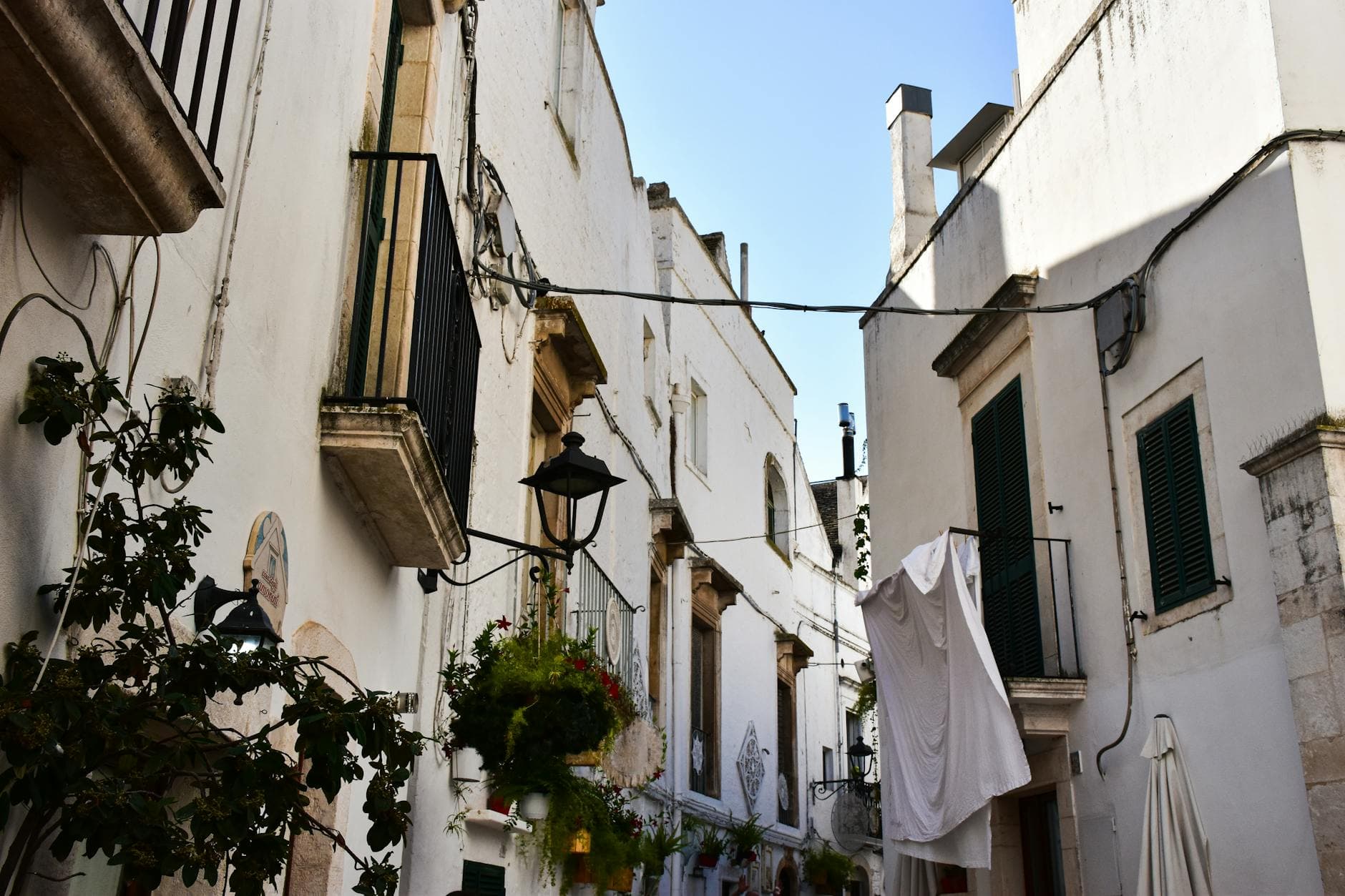
PUGLIA: VALLE D’ITRIA
- Locorotondo
- Alberobello
- Cisternino
- Ostuni

Full-suite brokerage · Italian 7% flat-tax scheme
A flat 7% on foreign pension income for up to ten years, if you move to the right small town in southern Italy. We help you find the home and the town that qualifies.
Tools
How the regime works
01
Anyone receiving a foreign pension (state, occupational, or equivalent) who has not been an Italian tax resident in the previous 5 years and moves from a country with an active information-exchange treaty with Italy.
02
A municipality with 30,000 inhabitants or fewer, in one of eight southern regions: Puglia, Campania, Sardegna, Sicilia, Abruzzo, Basilicata, Calabria, or Molise.
03
A flat 7% on all foreign-source income (pension, rental, dividends, capital gains) for the year of transfer plus the 9 following tax years. Italian income remains taxed under ordinary rules.
Legal source: D.L. 119/2018, Art. 24-ter TUIR. We are not your tax advisor. We work alongside one. Eligibility should always be confirmed in writing for your specific situation.
Collections
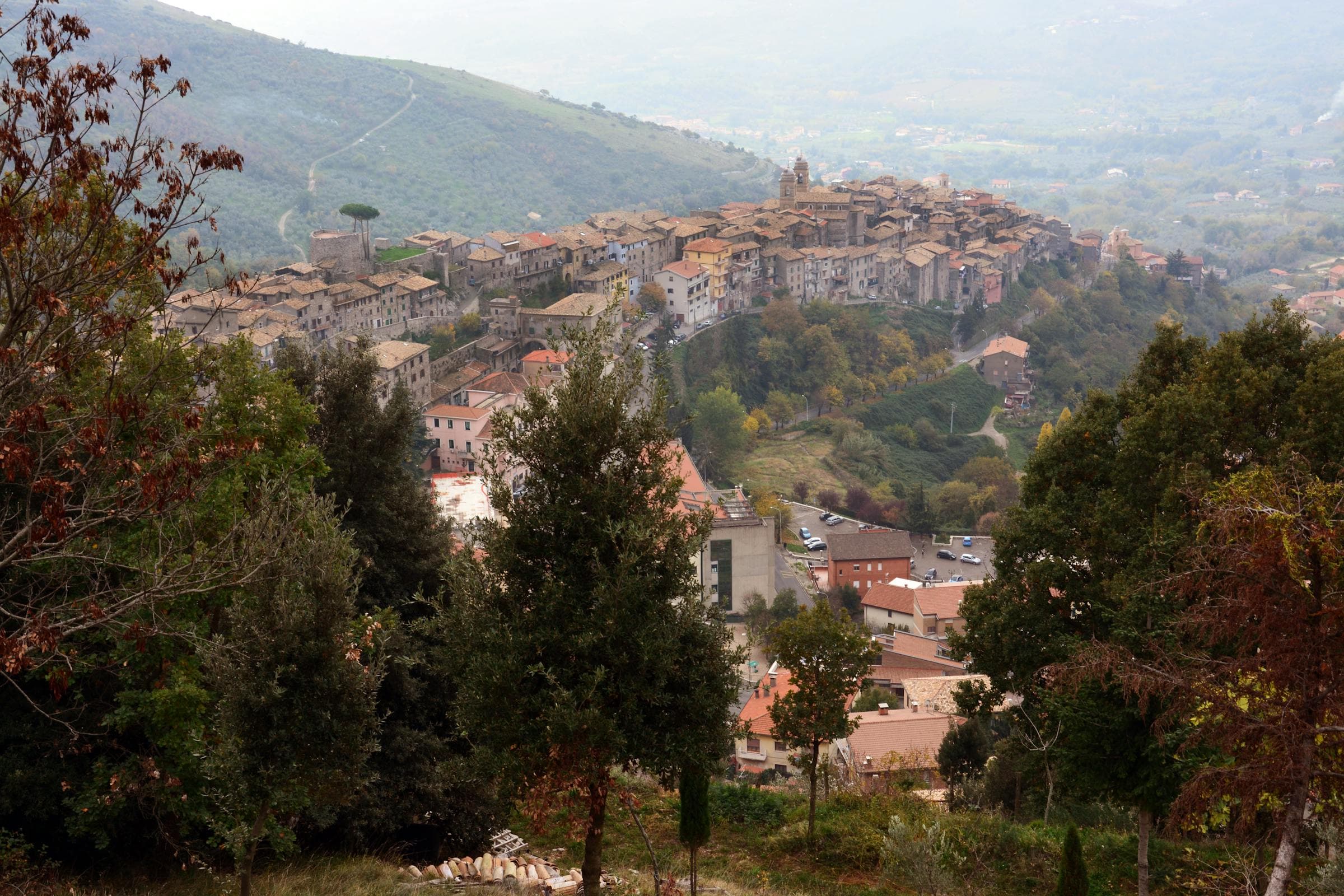
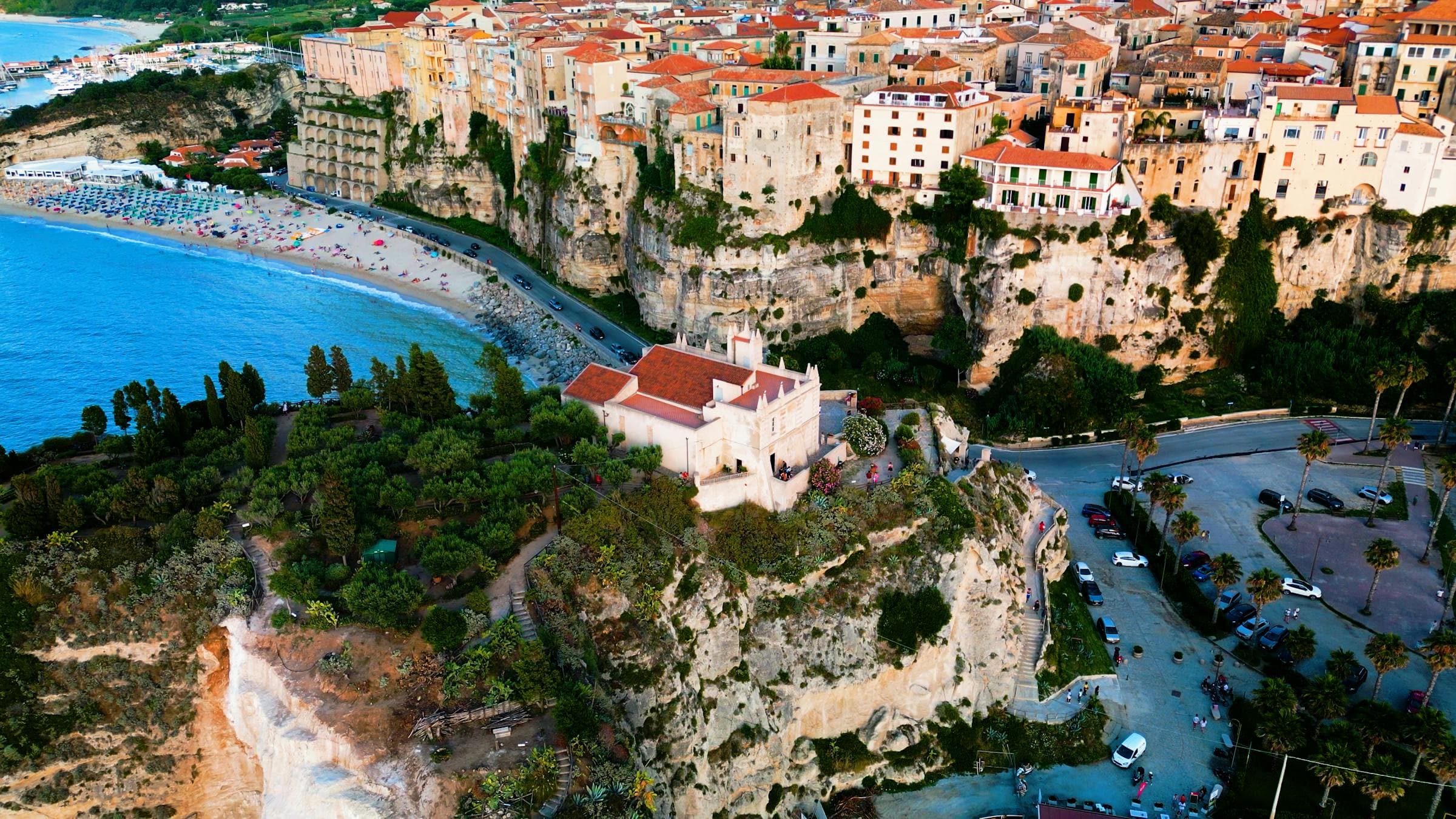
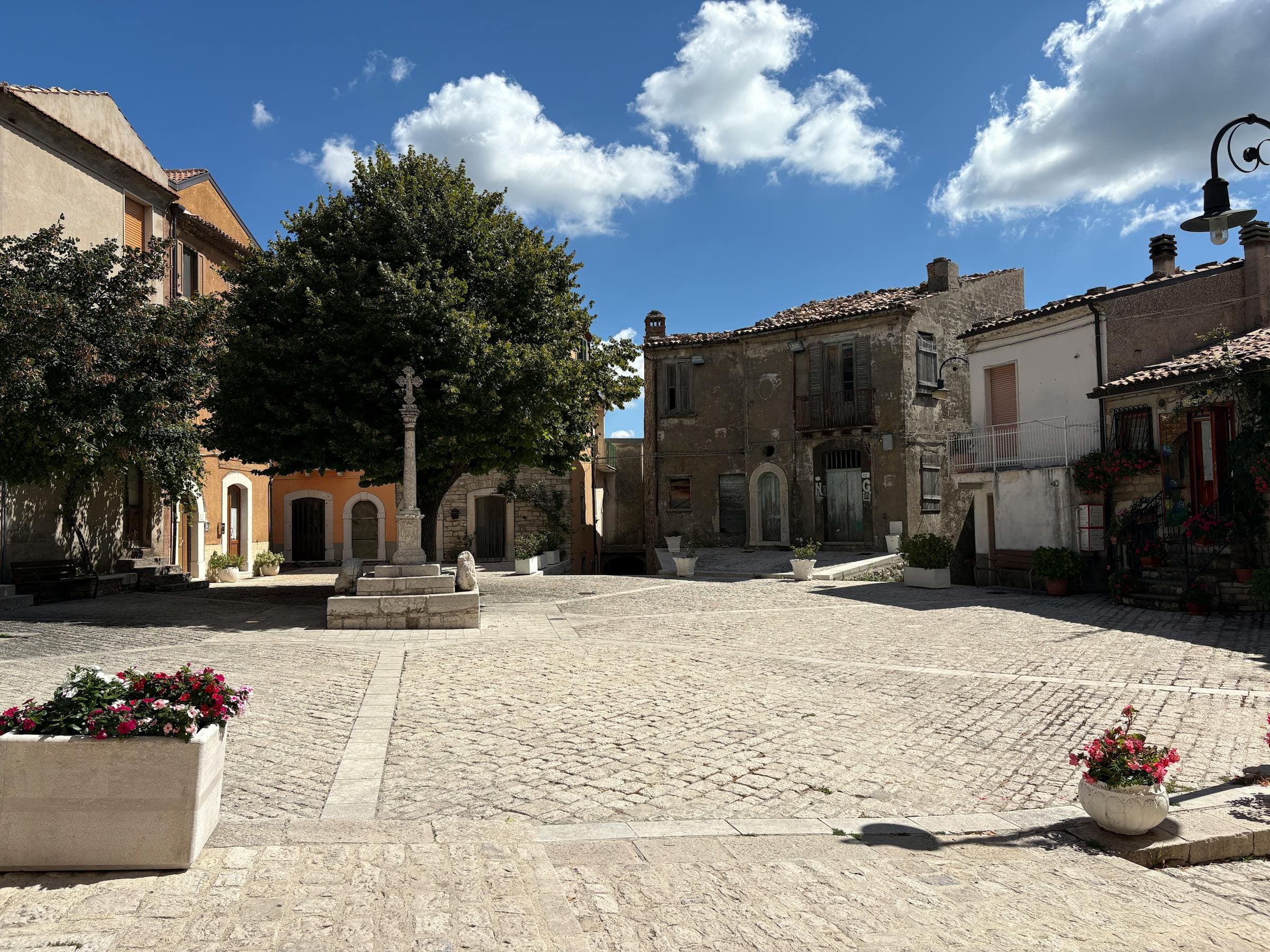
Six collections of highlighted towns across southern Italy, each one under the 30,000-inhabitant ceiling of Art. 24-ter. Town-by-town deep-dives roll out from here.


Who I am
I broker homes in the small southern Italian towns that make foreign pensioners qualify for the 7% flat-tax regime. My work is deliberately laser-focused on a few regions, towns I’ve actually walked, and a tailored process built around making this easy for you.
Most of my clients are retirees from the US, UK, and northern Europe weighing Italy against Portugal, Greece, or Cyprus. The 7% regime is the most generous of the four, but the closed-off housing market and the local bureaucracy make it feel like an uphill battle. I am here to fix that.
Where the regime applies
Active collections in Puglia, Campania (Nord and Sud), Calabria, Abruzzo, and Molise. Mandates in the remaining three regions are taken case-by-case.
Frequently asked
It depends on the income type. Under Article 18 of the UK–Italy Double Taxation Convention (1988), private and occupational pensions are taxable only in the country of residence. Once you become Italian tax resident, your UK pension falls under Italian tax (the 7% flat rate) and stops being taxed by HMRC. Other income types can be treated differently. Confirm your specific position with qualified advisers on both sides before relocating.
Eight southern regions: Puglia, Campania, Sicilia, Sardegna, Calabria, Abruzzo, Basilicata, and Molise. Within those regions, only municipalities with 30,000 inhabitants or fewer qualify. Most of the Amalfi Coast towns, the Valle d’Itria in Puglia, the Cilento, and the Abruzzo and Molise borghi are eligible.
Yes. To qualify you must become an Italian tax resident (typically by spending more than 183 days a year in Italy) and you must not have been an Italian tax resident in the previous five tax years. The UK–Italy double-taxation treaty governs how each country taxes pension income during and after the transition.
Eligibility screening against Art. 24-ter, town selection (climate, healthcare, English-speaking community), curated property shortlists in each town, and end-to-end support through the Italian closing alongside an Italian commercialista and notaio. The work is buyer-side only; sellers pay their own agents.
Italy’s 7% is currently the most generous of the three for a foreign pensioner. Portugal’s NHR (Non-Habitual Resident) regime for pension income has effectively ended for new applicants since 2024. Greece offers a similar 7% pension regime, but with a smaller list of qualifying locations and less developed expat infrastructure than southern Italy.